Main Bedroom
The primary sleeping space is sized for two and oriented to catch the prevailing northerly breeze. Natural light enters from two sides through louvred panels that can be closed fully against evening rain without losing ventilation.
A private two-guest retreat above the Buleleng coast, where the light comes in gold and the mornings belong entirely to you.
Bali Utara sits at roughly eight degrees south latitude, where the island's northern slopes ease down toward the Java Sea.
A Quiet Corner of the Island's Northern Shore
Bali Utara sits at roughly eight degrees south latitude, where the island's northern slopes ease down toward the Java Sea. The property occupies a position in the Buleleng regency — the quieter, less-trafficked side of Bali that locals have long preferred for its cooler air, drier rice-growing climate, and a pace that resists the accelerated tourism of the south. The address places you within reach of Singaraja, the former Dutch colonial capital, and the black-sand bays that stretch west toward Pemuteran.
The property is sized for two guests, which is a deliberate decision rather than a limitation. Every element — the sleeping arrangement, the outdoor space, the shared amenities — has been calibrated for a couple or solo traveller who values stillness over throughput. Expect honest tropical construction: open-air transitions between interior and exterior, natural light as the primary design tool, and the kind of ventilation that makes ceiling fans feel luxurious rather than insufficient.
The surrounding neighbourhood reflects North Bali's character accurately. Warungs serving lawar and fresh-caught fish sit minutes away. The road network is quieter than Seminyak or Ubud, which means motorbike travel feels unhurried. Lovina beach — famous for its dawn dolphin sightings — is a short ride west, while the Gitgit waterfall and Bedugul highlands are accessible on a half-day loop north and inland.
Practically speaking, the property is suited to guests arriving by scooter rental or private driver from Ngurah Rai International Airport, a journey of approximately two to two-and-a-half hours depending on traffic through the mountain pass. The GPS coordinates are precise; share them with your driver before departure. Check-in is arranged directly with the host and can be flexed around arrival times where possible. This is not a managed resort — it is a well-kept, personally hosted space where the welcome is genuine and the instruction manual is short.
The primary sleeping space is sized for two and oriented to catch the prevailing northerly breeze. Natural light enters from two sides through louvred panels that can be closed fully against evening rain without losing ventilation.
A relaxed sitting area with a ceiling fan and direct access to the garden. The indoor-outdoor threshold is deliberately blurred, making the space feel larger than its footprint and drawing in the surrounding tropical greenery.
The garden wraps around the south and west sides of the property, planted with heliconia, banana palm, and frangipani. A shaded sitting area holds a small table and two chairs — the default breakfast spot on clear mornings.
A compact but functional kitchenette with a gas hob, small refrigerator, and the basics for preparing light meals. The adjacent dining table seats two and doubles as a workspace when the laptop comes out.
A clean, simply finished bathroom with a rainfall showerhead and warm-water supply. Natural stone or tile finishes keep the space cool underfoot and easy to maintain in Bali's humid climate.
You arrive in the late afternoon, after the mountain road has delivered you from the airport's humidity into something markedly cooler and quieter. The host or a trusted contact meets you at the gate, hands over the key, and points out the things worth knowing — the outdoor shower pressure, the best time to catch the breeze through the main sleeping area, which warung two streets over does the best nasi campur before nine in the morning.
The first morning announces itself without an alarm. North Bali mornings have a particular quality: the sky lightens slowly over the hills behind the property before the sun clears the ridge, and the garden holds a deep silence that the south of the island rarely offers. You make coffee or tea from the in-room supplies, carry it outside, and do nothing purposeful for a while. This is the point.
By mid-morning, the day opens up. A scooter takes you fifteen minutes west to the Lovina waterfront, where the fishing boats have already returned and the beach cafes are setting out chairs. Alternatively, you head inland on the Bedugul road, climbing through clove and coffee plantations to the crater lakes at Tamblingan or Buyan — cooler, mist-edged, genuinely uncrowded. If the day calls for less movement, the property holds you comfortably: there is shade, there is a book, there is no particular pressure to perform a holiday.
Evenings in North Bali tend to shorten quickly. The sun drops behind the hills before it reaches the horizon, and by seven the sky is fully dark and spangled. You eat locally — the seafood along the Lovina strip is grilled simply and priced honestly — and return to the property to the sound of geckos claiming the walls and distant temple gamelan carrying across the fields.

15 minutes by scooter
A calm, black-sand bay where traditional jukung boats depart at dawn for dolphin watching. The waterfront strip has good seafood warungs and a relaxed local atmosphere.

25 minutes by scooter
A well-known double waterfall set in dense jungle above Singaraja. The walk in takes around fifteen minutes through plantation paths and is manageable in sandals on a dry day.

10 minutes by scooter
The former colonial capital retains Dutch-era shophouses and the largest library in Bali. The morning market on Jalan Ahmad Yani is worth an early visit for local produce and snacks.

45 minutes by scooter
A highland crater lake at around 1,100 metres elevation, ringed by ancient water temples and forest trails. Notably cooler than the coast and rarely crowded even in high season.

The Buleleng coast does not perform for visitors. Its black-sand bays, colonial-era market towns, and highland crater lakes exist on their own schedule — which is precisely what makes spending time here feel earned rather than packaged.

By five-thirty in the morning the jukung boats are already pushing off the black sand at Lovina, engines quiet, headed toward open water. What happens next is genuinely uncertain — and that uncertainty is the whole point of going.
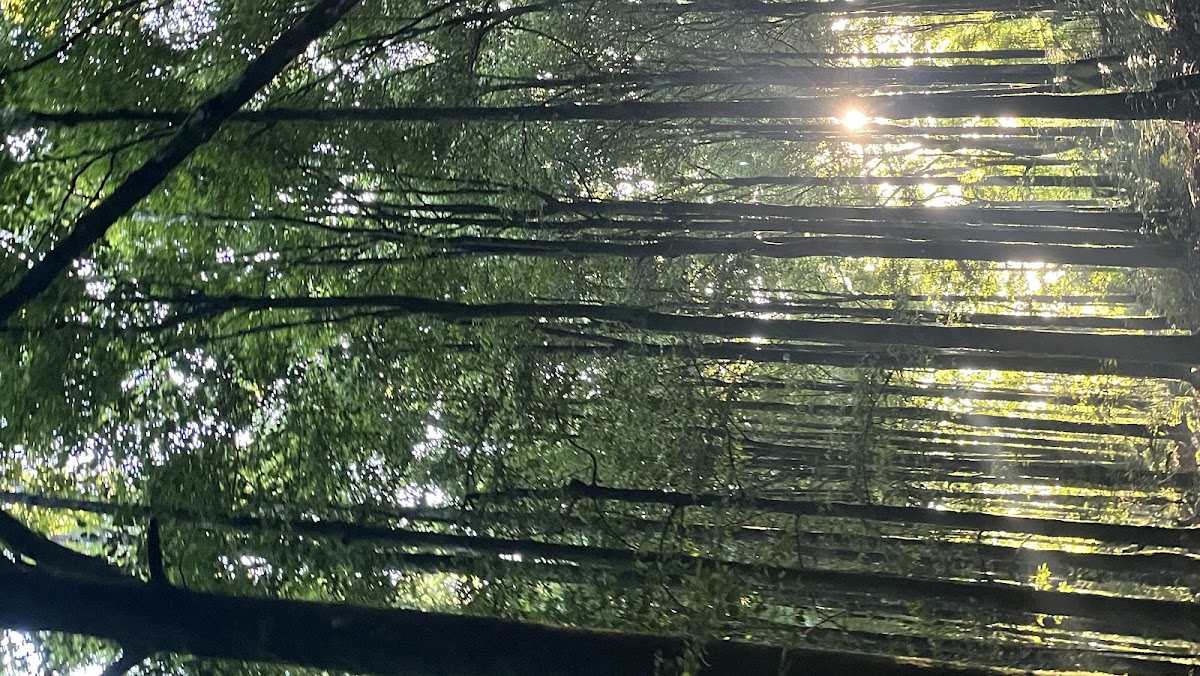
The scooter road from Singaraja to the Tamblingan crater lake climbs through clove orchards and roadside temples, arriving at a shoreline ringed by ancient forest. Pack a light layer. At 1,100 metres, the air has a different quality entirely.
A small team — replies in a few hours, most days.
Review your stay, share a few details, and we'll lock it in. Your enquiry comes straight to the host — no platform in between.
Edit anything below — the price recalculates as you go.
For confirmation, arrival logistics, and your booking record.
Card details are handled securely by Stripe. No charge is shown until your dates are confirmed.
Online payment isn't configured for this property yet. Please contact the host directly to complete your booking.
Thank you, friend. We've sent a confirmation to your inbox with full arrival details.
—